Sandy Dunes vs. Granite Skerries
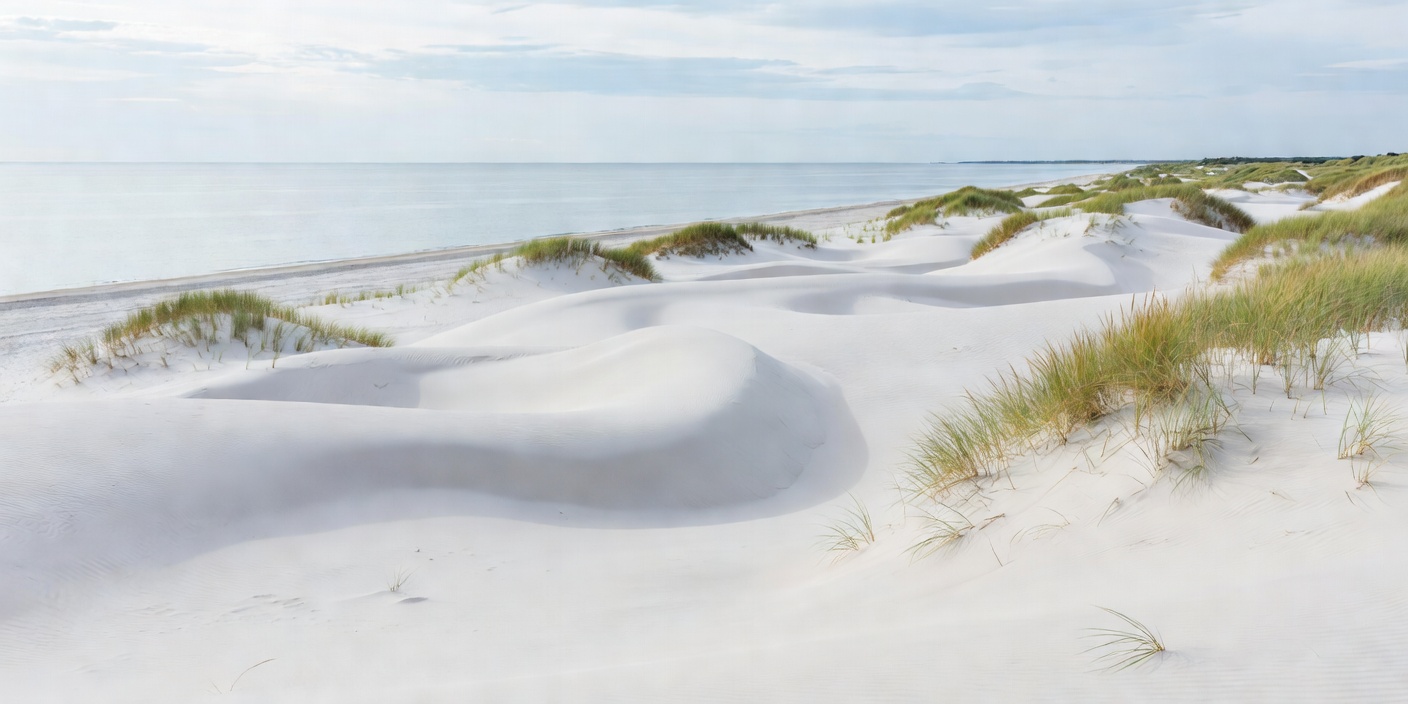
The southern and eastern shores of the Baltic basin (along Germany, Poland, Latvia, Lithuania, and Estonia) feature some of Europe's widest and finest powdery white sand dunes. Here, beaches stretch uninterrupted for dozens of kilometers, separated from the interior only by coastal pine forests and delicate dune grasses.
By contrast, the northern shores across Sweden and Finland are dominated by smooth glacial granite. Instead of building sandcastles, bathers spread towels directly over warm bedrock and slip straight into deep, brackish water via sheltered rock channels.
Comparing Beach Environments
Understanding which beach style suits your personal preferences will help you choose the right base for your holiday:
| Beach Type | Typical Features | Ideal For |
|---|---|---|
| Fine Sand Dune Belts | Gradual shallow drop-offs, soft white quartz sand, extensive wind exposure. | Long bare-foot beach walks, families with young children, kite flying. |
| Granite Skerries | Deep clear water, smooth sun-warmed rocks, minimal sand dust. | Quick refreshing dips, sunbathing on rocks, sea kayakers. |
| Sheltered Inlets & Bays | Calmer water, natural wind protection from surrounding headlands. | Stand-up paddleboarding, floating, picnic afternoons. |
Swimming Conditions & Water Character
The Baltic is a semi-enclosed brackish sea, meaning its salinity is substantially lower than that of the Atlantic Ocean or Mediterranean Sea. As a result, swimming here feels gentler on the eyes and skin, with none of the heavy salt crust left after a swim.
Because tidal swings are minimal (often only a few centimeters), you do not need to check tide tables before heading out. However, water temperatures take time to warm up. In June, sea temperatures often hover between 14°C and 17°C, warming to a comfortable 18°C to 22°C by late July and August in shallow sandy bays.
Protecting Coastal Dune Ecosystems
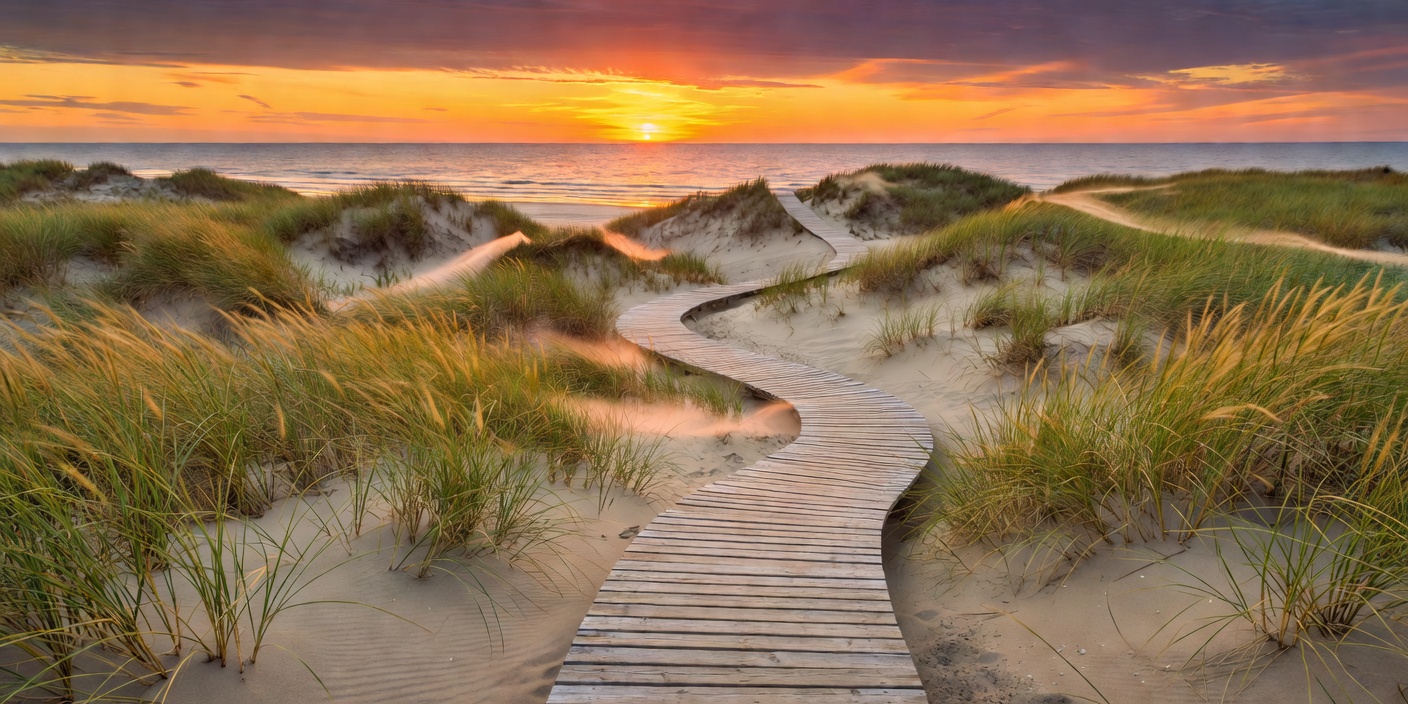
Baltic coastal dunes are fragile environments held together by delicate root systems. Always use marked wooden walkways and designated beach crossovers to prevent dune erosion.
Wind Exposure & Beach Hoods (Strandkörbe)
Sea breezes are a constant companion along open Baltic coastlines. Along German and Polish shores, the iconic hooded wicker beach chair (known as a Strandkorb) was invented specifically to shield sunbathers from persistent wind and blowing sand.
On wilder beaches where amenities are sparse, bringing a lightweight pop-up windbreak or positioning your towel in the lee of a forested dune makes a substantial difference in comfort.
Off-Season Coastal Experiences
Visiting Baltic beaches outside summer is deeply therapeutic. In late autumn and winter, the beaches clear of people entirely, leaving vast empty horizons. Storms wash up dark sea glass and fragments of fossilized amber along the tide line, turning casual strolls into treasure hunts.
Practical Checklist: Beach Day Preparation
- Pack a Windbreaker: Even on a 25°C day, the onshore breeze off the cool sea can feel brisk. A lightweight wind-resistant layer ensures you stay comfortable.
- Check for Algal Blooms: During brief heatwaves in late summer, sheltered shallow bays can occasionally develop blue-green algae. Check local municipal signage before swimming.
- Hydration & Supplies: Natural beach stretches may be located several kilometers from the nearest shop. Carry plenty of drinking water and snacks.
Friend-to-Friend Tip
If the wind is gusting strongly from the west, look on a map for an east-facing bay or the sheltered inner coastline of an inlet. You will often find completely flat water and gentle air just a ten-minute drive away.