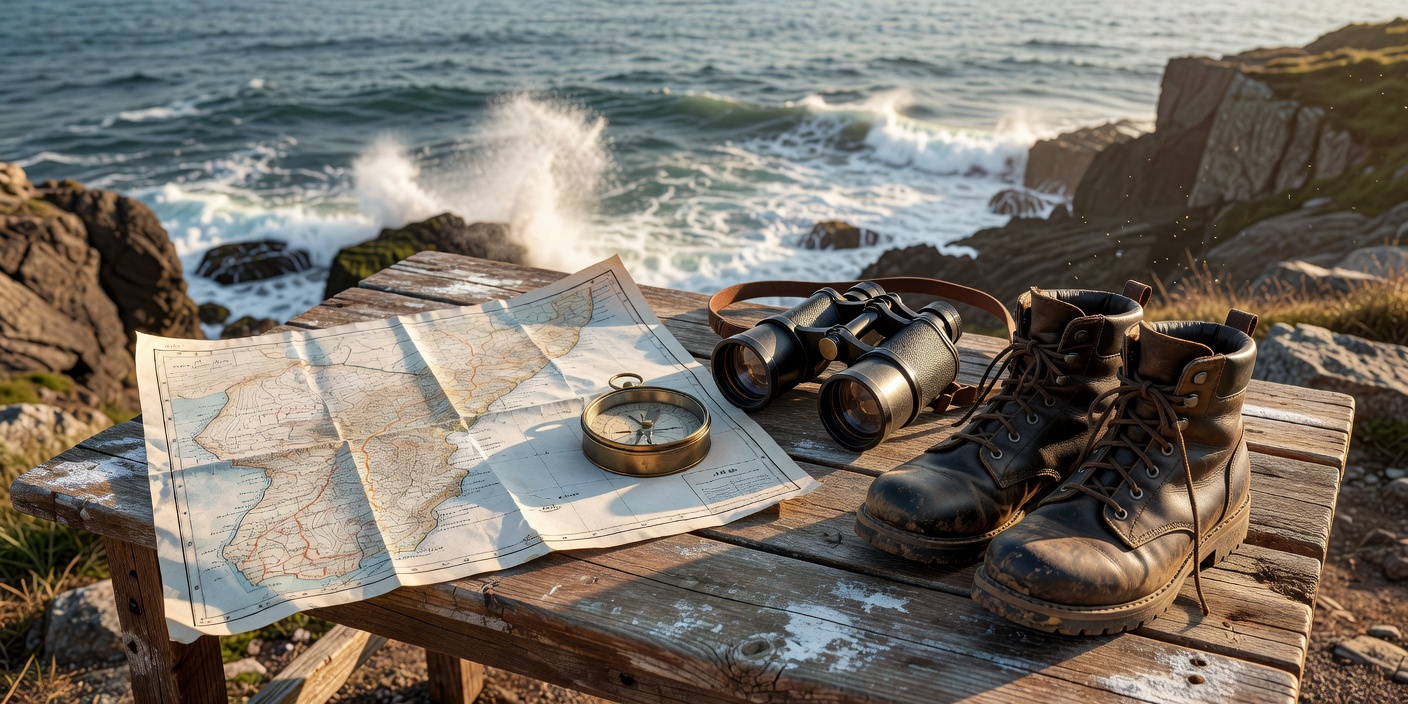
Choosing Your Baltic Travel Style
Before booking transport, consider how you prefer to move through the landscape. The Baltic lends itself well to three core itinerary structures:
- Hub & Day Trips: Base yourself in a mid-sized coastal town with good rail or water bus connections. You enjoy evening dining variety without packing luggage every morning.
- Archipelago Island Hopping: Pack light with a bicycle or small car and move between island guesthouses every two to three nights using regional ferries.
- Secluded Cottage Retreat: Rent a timber summer cottage (stuga or mökki) near the water for an entire week of quiet reading, sauna sessions, and shoreline walks.
Seasonal Breakdown: When to Visit
The northern summer is short, intense, and deeply celebrated, but shoulder seasons have distinct merits:
| Season | Daylight & Weather | Travel Character |
|---|---|---|
| Late Spring (May – Early June) | 16–18 hours daylight; crisp air (12°C–18°C); blooming coastal meadows. | Quiet towns, empty trails; early ferry schedules, minimal crowds. |
| High Summer (Late June – Mid-August) | 18–20 hours daylight; warmest water (18°C–24°C); bustling harbors. | All cafes and attractions open daily; vehicle ferries must be booked ahead. |
| Early Autumn (Sept – Mid-October) | 11–13 hours daylight; golden light, cooler breezes (10°C–15°C). | Crisp walking weather, coastal mushroom and berry foraging, peaceful harbors. |
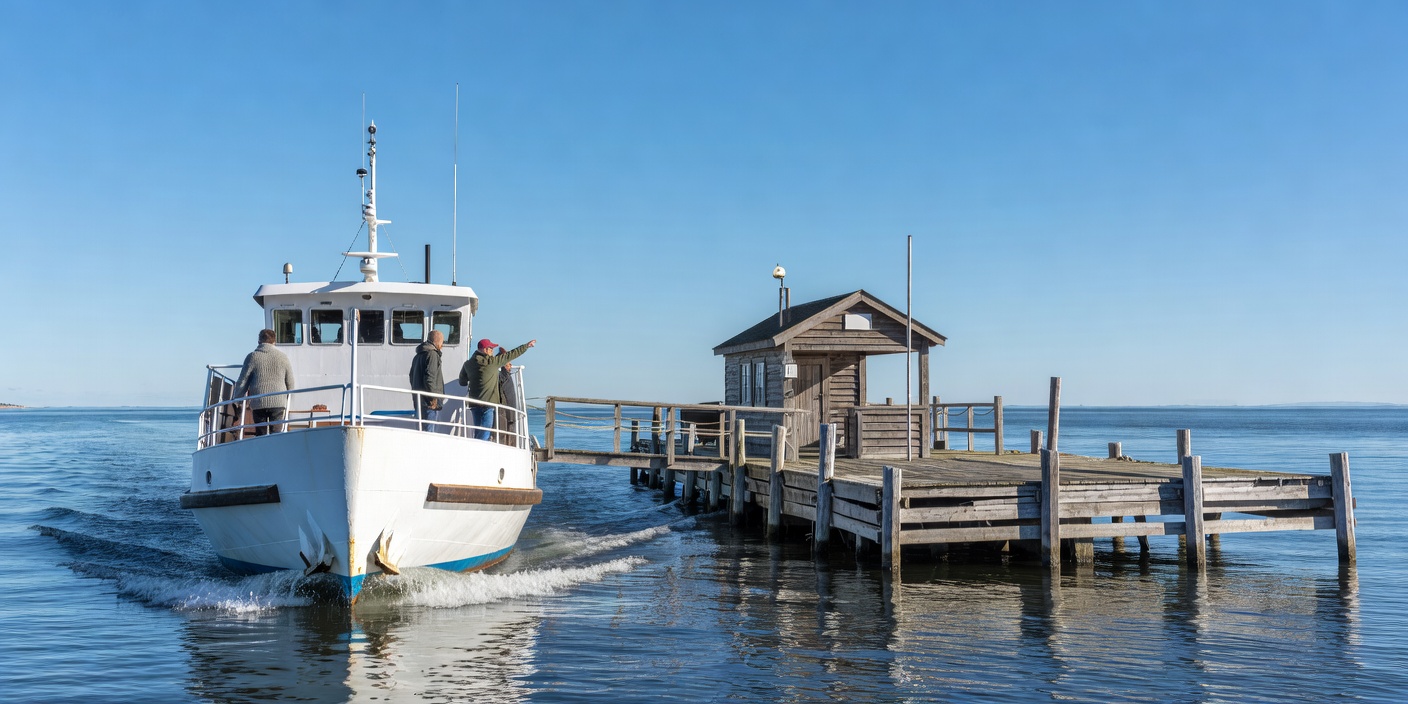
Navigating Peak Ferry Days
Friday afternoons and Sunday evenings see heavy vehicle traffic as mainland residents travel to island cottages. If traveling with a vehicle, schedule your crossings for Tuesday, Wednesday, or Thursday mornings to avoid long queues.
Packing Strategy for the Northern Coast
The golden rule of Baltic travel is layering over bulk. Weather systems can move from warm sunshine to brisk maritime showers in a single afternoon.
- A Windproof, Waterproof Shell: A high-quality breathable jacket is essential for harbor walks, ferry decks, and beach explorations.
- Mid-Weight Wool or Fleece: A fine merino sweater or fleece jacket that fits under your outer shell keeps you comfortable during brisk evening dinners by the water.
- Comfortable Walking Shoes: Leave slippery-soled fashion shoes behind. Sturdy walking trainers or trail shoes are best for cobbled quays and granite paths.
- Swimwear & Quick-Dry Towel: Always have a swimsuit handy for impromptu harbor saunas and sheltered bay swims.
Accommodation Categories
Along the Baltic rim, accommodation styles emphasize understated comfort and closeness to the sea:
Historic Harbor Guesthouses: Located right along the quay in former merchant houses, offering easy access to bakeries and evening bistros.
Coastal Cottages & Cabins: Self-catering timber homes equipped with kitchens and private saunas, offering peace and direct waterfront access.
Boutique Bed & Breakfasts: Family-run rural estates and converted schoolhouses inland, ideal for travelers exploring island cycling routes.
Responsible Coastal Tourism
The Baltic Sea is a delicate, ecologically sensitive marine environment. Here is how to minimize your footprint while enjoying the coast:
- Zero-Trace Picnicking: Always carry out all food packaging, plastics, and debris. Never leave trash behind on outer islands where municipal collection is impossible.
- Respect Wild Nesting Areas: Many small rocky skerries and dune spits are designated bird sanctuaries with strict access restrictions from April through July. Respect posted signs.
- Support Local Food Producers: Purchase smoked fish, sourdough bread, honey, and vegetables from roadside stands and harbor stalls to directly support coastal communities.
Friend-to-Friend Advice
Do not try to pack three different island chains into a four-day weekend. The Baltic is best experienced when you slow down, rent a bike, sit with a coffee watching harbor boats, and let the quiet northern rhythm take over.