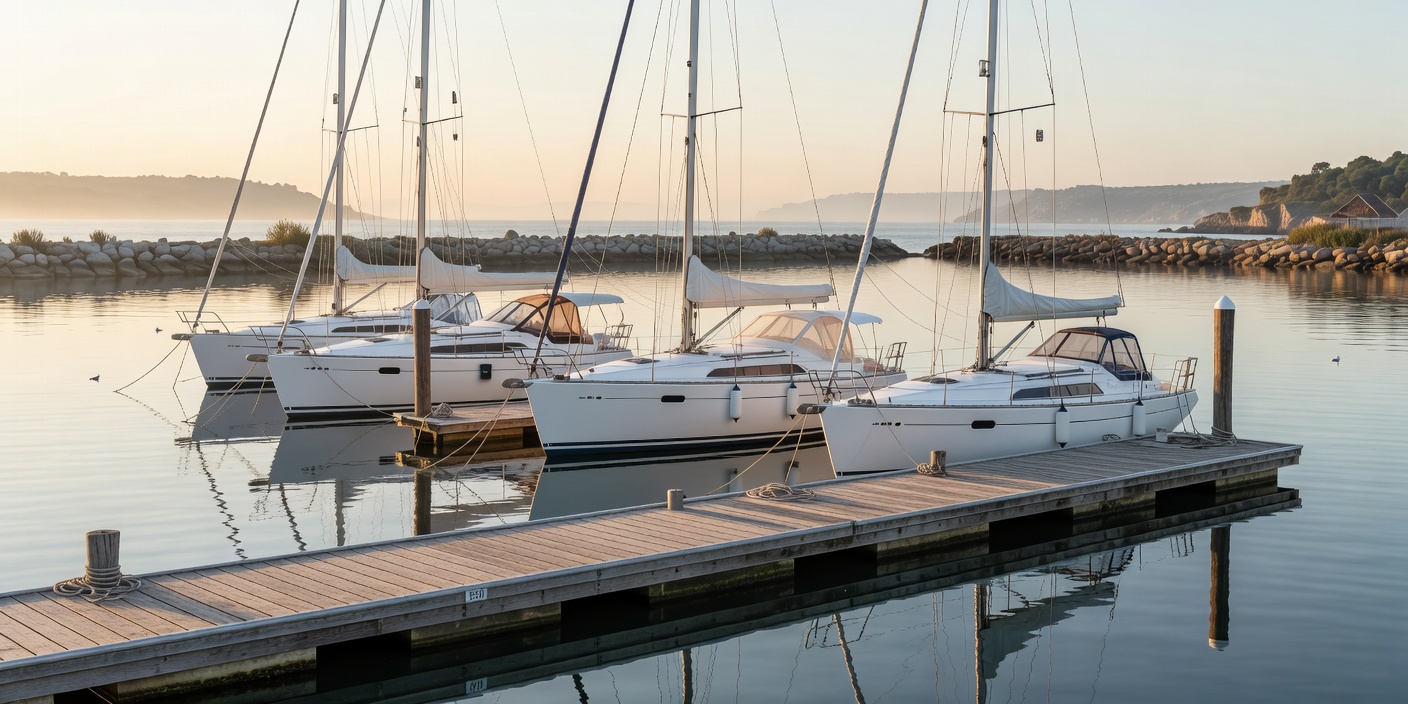
The Baltic Sailing Environment
Sailing here differs fundamentally from ocean or tidal cruising. Because the Baltic connects to the North Sea only through narrow Danish straits, the tidal variation is generally negligible (rarely exceeding 10–20 cm under calm conditions). This means you do not need to calculate tidal heights for lock gates or tidal berths.
However, what you gain in tidal simplicity, you exchange for navigational attentiveness. The northern archipelagos consist of vast labyrinthine waterways with underwater granite rocks and narrow fairways. Relying on accurate digital chart plotters verified against paper charts is essential.
Guest Harbors vs. Natural Anchorages
The region offers two distinctly rewarding ways to spend the night on the water:
| Berth Type | Standard Facilities | Navigation Considerations |
|---|---|---|
| Equipped Guest Harbors (Gästhamn) | Freshwater, shore power, hot showers, saunas, waste pump-out, and nearby grocers. | Mooring buoys or stern y-booms; clearly marked approach fairways. |
| Natural Skerry Berths (Naturhamn) | Unspoiled wilderness; occasional shared compost toilets and ring bolts in rock. | Requires bow-to-rock mooring with stern anchor; shallow approach inspection. |
Mooring Techniques: Bow-to-Rock (Stäv mot berg)
One of the Baltic's most iconic sailing traditions is mooring directly against smooth granite cliffs in natural harbors. Crews drop a stern kedge anchor 25–30 meters offshore, motor gently forward toward a rock ledge, and secure bow lines directly to stainless steel ring bolts set into the stone or using specialized rock pegs (bergkilar).
This allows sailors to step directly off the pulpit onto an uninhabited island, light a modest grill on bare rock, and swim in calm water before sunset.
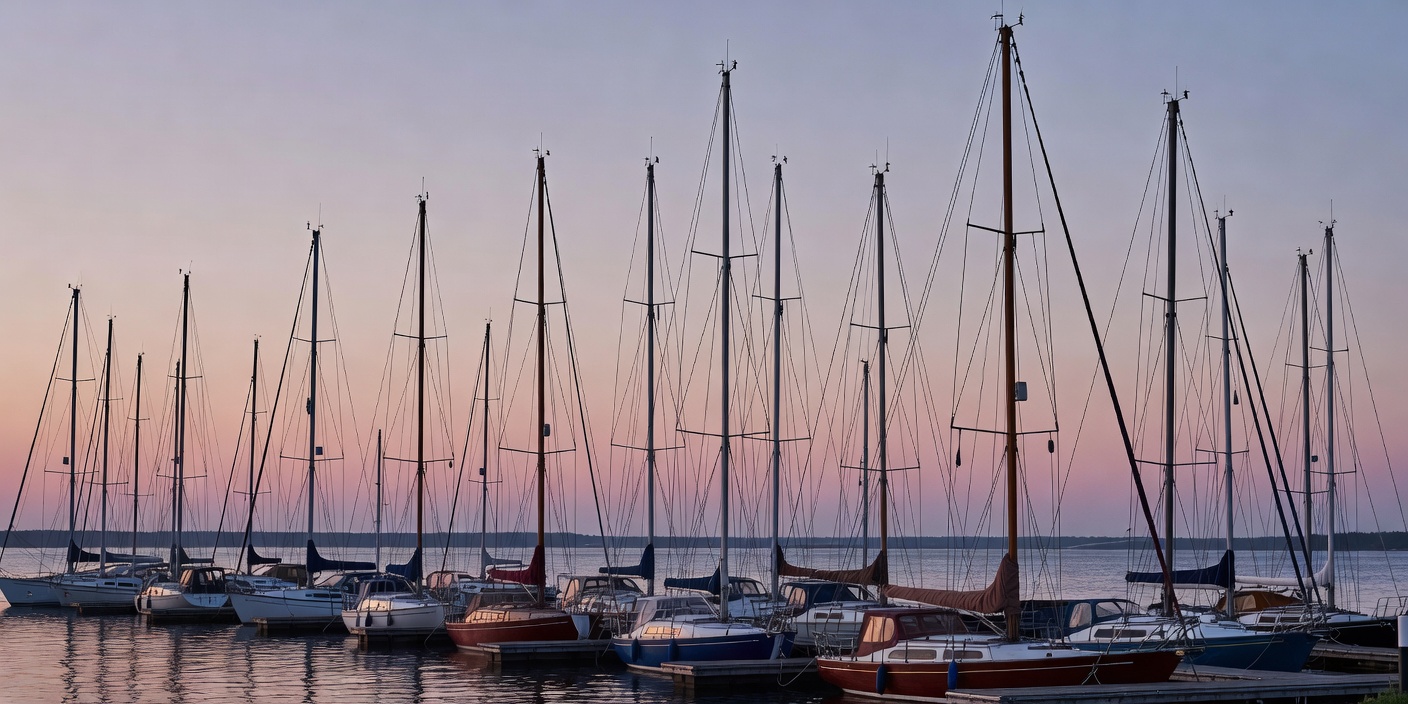
Guest Harbor Community
Baltic guest harbors pride themselves on neighborly cooperation. If a marina is busy, yachts commonly raft together with permission. Always be ready on deck with fenders to assist arriving vessels with their lines.
Weather Awareness & Wind Patterns
During the primary sailing season from June through August, prevailing winds are predominantly southwesterly to northwesterly, typically blowing between Force 3 and Force 5 (8 to 20 knots). This makes for brisk, rewarding sailing conditions.
However, low-pressure systems moving across Scandinavia can produce sudden squalls and shift wind directions rapidly. Maintaining a reliable VHF radio watch and reviewing updated marine meteorological bulletins twice daily is standard seamanship.
Beginner vs. Experienced Cruising Routes
For Newer Skippers & Day Charters: Sheltered coastal sounds and inner archipelago channels offer calm waters, minimal sea swell, and short 10-to-15 nautical mile hops between well-sheltered town marinas.
For Experienced Coastal Skippers: Open-water crossings between mainland coasts and outer islands (such as traversing the Åland Sea or crossing open Baltic stretches) require solid passage planning, night navigation readiness, and confidence managing 25-knot winds in moderate chop.
Essential Baltic Cruising Checklist
- Stern Anchor & Warp: An easily deployable kedge anchor with at least 40 meters of leaded line or webbing reel is vital for archipelago mooring.
- Rock Pegs & Mallet: Heavy-duty steel rock pegs allow secure tie-ups when natural trees or installed ring bolts are not available on outer skerries.
- Holding Tank Maintenance: Discharging blackwater into the Baltic Sea is strictly prohibited by international convention. Ensure your vessel’s deck pump-out fitting is functioning properly.
- Warm Thermal Foul-Weather Gear: Even when the sun is shining brightly, temperatures on open water can feel 5°C to 8°C cooler than on land.
The Harbor Sauna Tradition
A huge perk of cruising Baltic guest harbors is the evening seaside wood-fired sauna. Many community harbors operate communal or bookable saunas right at the end of the wooden pier, offering the quintessential jump from steaming heat into the cool sea.