The Anatomy of a Baltic Waterfront
Unlike Mediterranean resort towns that sprawl outwards to cater purely to warm-weather holidaymakers, Baltic coastal towns usually evolved around working maritime commerce. You will find that even the most leisurely towns maintain an active relationship with fishing boats, pilot cutters, and regional ferries.
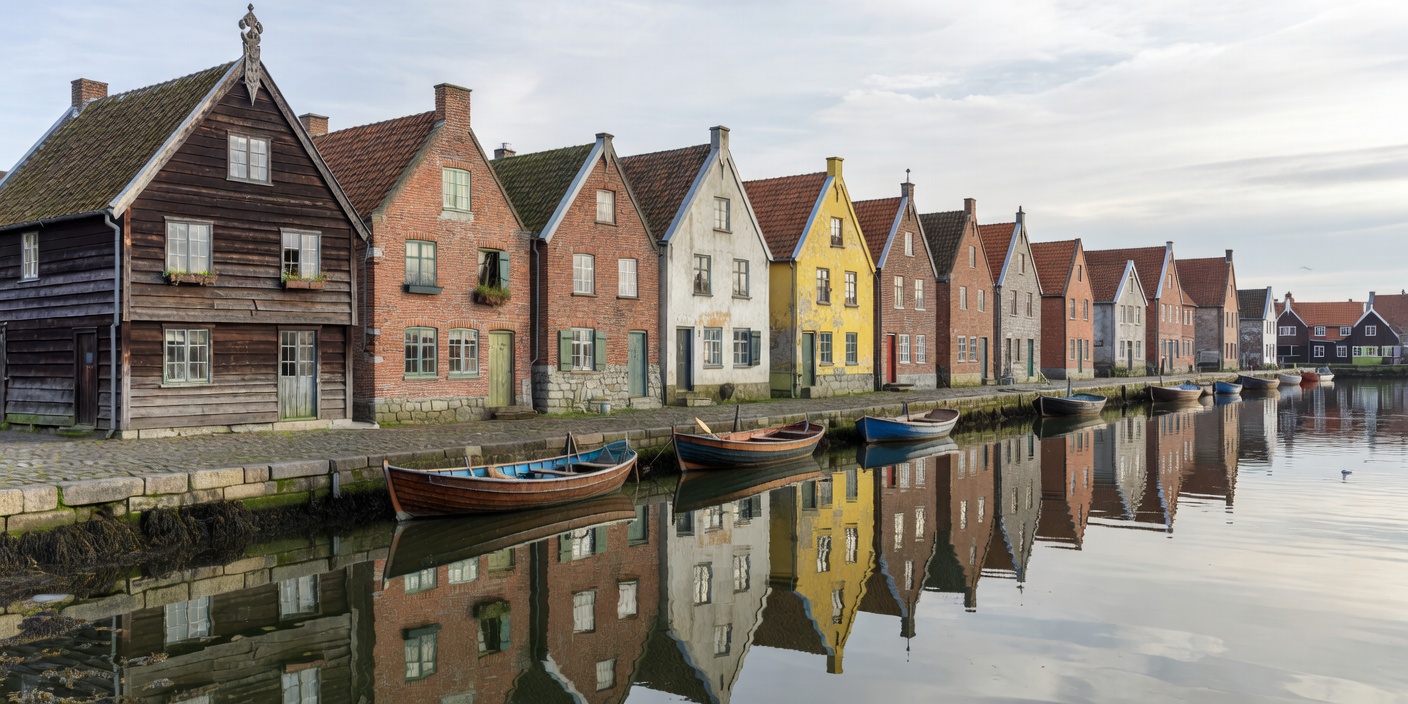
The urban layout typically features a sheltered inner harbor basin flanked by gabled brick or painted timber facades. Behind the initial row of merchant buildings, narrow residential alleyways climb gently onto low ridges or weave into central market squares. This compact geography makes almost every Baltic coastal town exceptionally walkable.
Comparing Large Harbor Hubs with Small Fishing Hamlets
Choosing where to base your stay depends heavily on whether you prioritize evening cultural dining or pure daytime stillness. Here is how the two primary town categories compare:
| Aspect | Major Harbor Towns | Small Coastal Hamlets |
|---|---|---|
| Walkability | Extensive historic cores; frequent ferry & transit links. | Very compact; navigable entirely within 15–20 minutes. |
| Dining Options | Wide range of bakeries, bistros, and waterfront cafes. | A few seasonal smokehouses, family taverns, and local bakeries. |
| Atmosphere | Vibrant quaysides, maritime museums, and artisan markets. | Uninterrupted sea sounds, early mornings, and quiet harbor walls. |
| Best For | Weekend cultural breaks and hub-and-spoke day trips. | Restorative reading, coastal sketching, and slow day walks. |
Historic Waterfront Districts and Architecture
Throughout the southern and western Baltic rim, Hanseatic brick Gothic architecture dominates. These towering red-brick structures were designed with deep basements and lofty hoists to store grain, flax, and salt. Today, many have found second lives as maritime galleries, boutique guesthouses, and waterfront coffee roasteries.
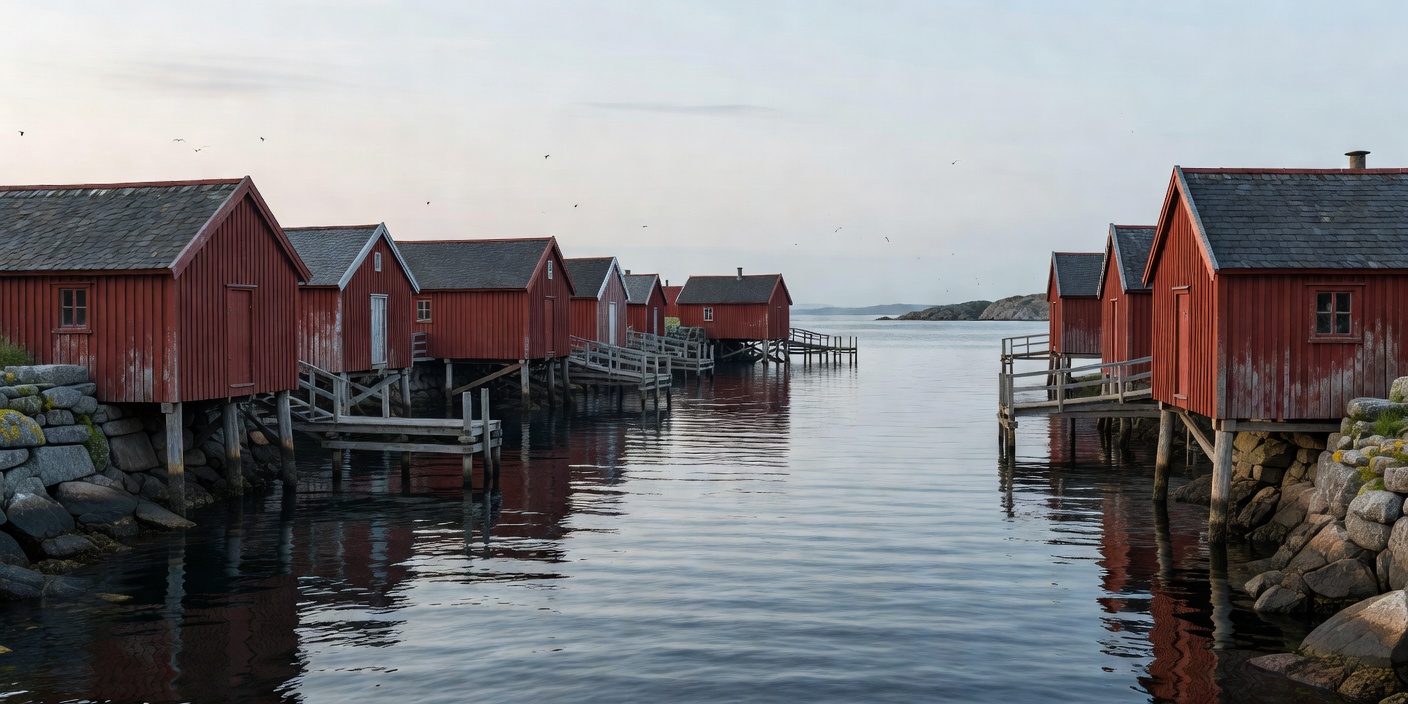
Further north, along the Swedish and Finnish archipelagos, timber takes over. You will encounter the iconic red ochre facades (Falu red) that have protected seaside cottages from harsh Baltic winters for hundreds of years. The visual contrast between rust-red wood, sea-glass blue water, and pale granite rock is unforgettable.
Preserving Timber Waterfronts
Wooden harbor warehouses require continuous care against salt spray and winter damp. When visiting these heritage zones, stick to marked public boardwalks to help protect historic timber foundations.
Café Culture & Seaside Dining
Seaside dining in the Baltic region tends to celebrate simple, deeply flavored local ingredients rather than elaborate culinary theatrics. Smoked fish—particularly flounder, herring, and Baltic salmon—is prepared in traditional outdoor kilns fueled by alder wood shavings.
In mid-afternoon, coastal bakeries fill with visitors enjoying fresh cardamom buns, rye sourdough pastries, and strong filter coffee. Dining outdoors right along the harbor edge is customary whenever the sun breaks through, with most cafes supplying warm wool blankets on outdoor benches.
Practical Checklist: Exploring Baltic Towns
- Footwear Matters: Historic centers often feature uneven cobblestones and granite ramps. Wear sturdy-soled walking shoes rather than thin sandals.
- Watch the Opening Hours: In smaller settlements outside the peak June–August window, local shops and bakery hours may be reduced during mid-week.
- Harbor Etiquette: Always yield right-of-way to working harbor vehicles, rope-handling crew members, and ferry loading zones.
- Day Trip Connections: Many neighboring coastal towns are connected by regional water buses or scenic coastal railways, eliminating the need for a rental car.
Friend-to-Friend Tip
If you want to catch the best light for photography and enjoy the harbor in absolute peace, head down to the quayside just after dawn. The morning mist over the water clears slowly, fishing boats make their quiet departure, and the town feels entirely yours.