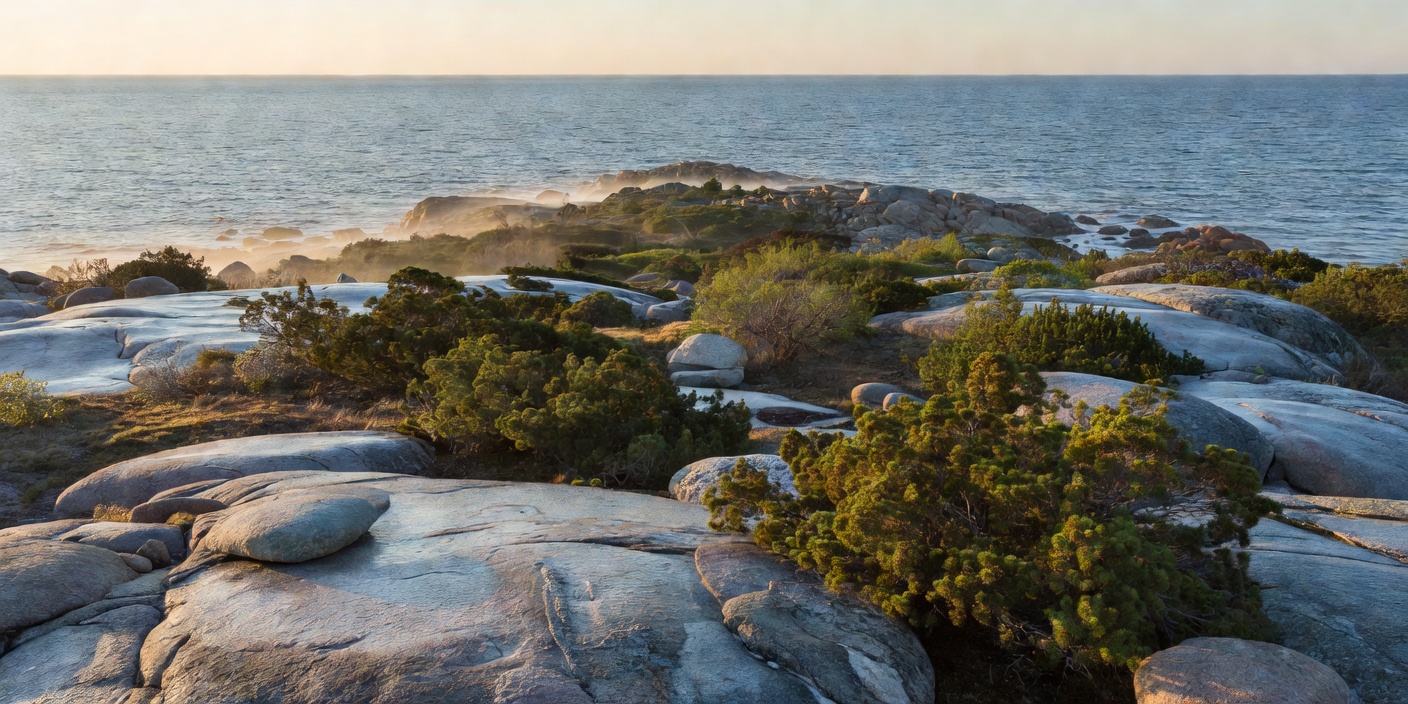
The Rhythms of Ferry Travel
Island travel in the Baltic is inseparable from the ferry network. These vessels are not mere tourist attractions; they are the true lifelines of island communities, carrying mail, produce, school buses, and travelers across channels ranging from five-minute river-like crossings to multi-hour open-sea voyages.
Short-hop cable ferries often operate on demand or on frequent 15-minute timetables, while larger car ferries connecting larger outer islands require advance reservations during peak July weekends. Traveling without a car gives you tremendous flexibility, as passenger ticketing rarely sells out and boarding is swift.
Cycling & Walking Networks
Because many Baltic islands feature gentle terrain, cycling is comfortably the best way to explore. Well-signposted regional cycle paths follow old agricultural roads, passing stone windmills, open pastures bordered by juniper shrubs, and quiet bays sheltered from prevailing winds.
Most island ferry terminals offer bicycle rentals within a short walk of the pier. Panniers are ideal for packing a thermos, local cheese, rye crackers, and windbreakers for a picnic along a secluded coastal trail.
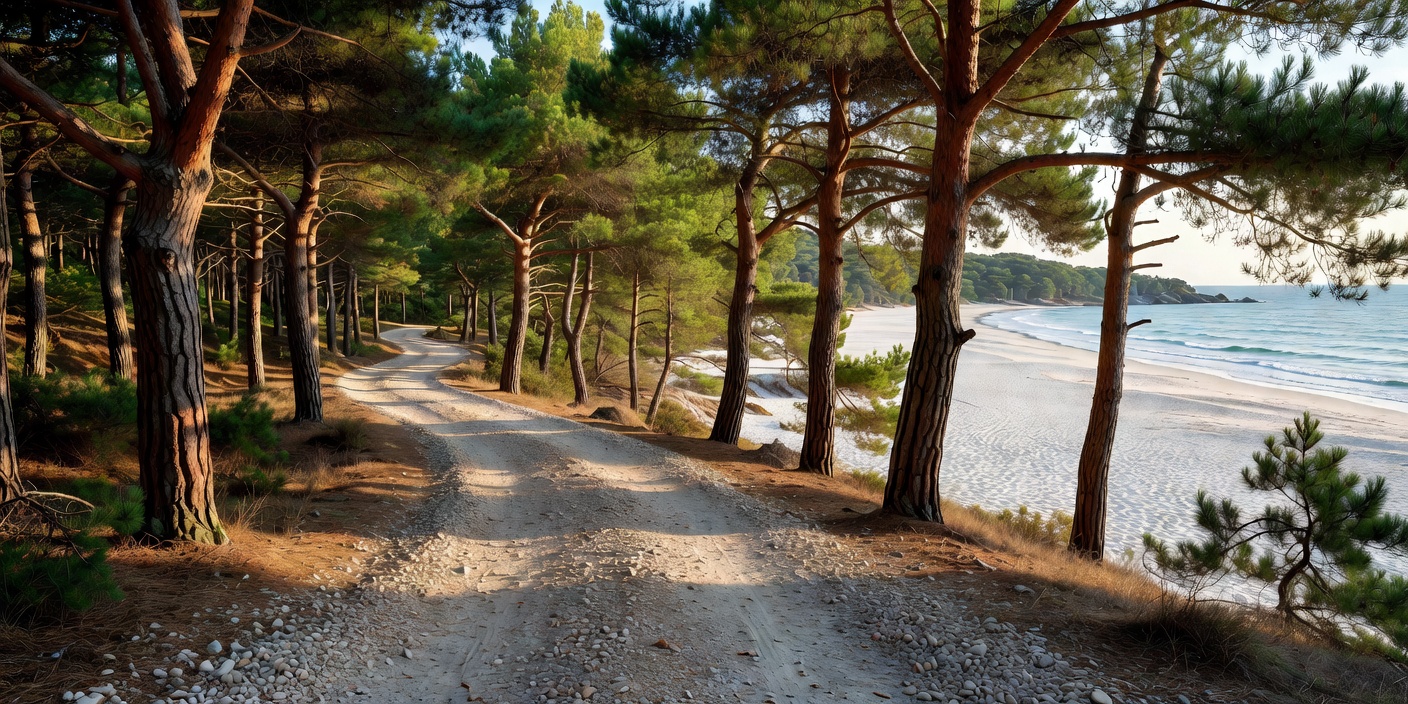
Navigating Island Microclimates
Baltic islands often receive significantly more sunshine hours during summer than the mainland coast due to cool sea breezes preventing cloud formation. Keep sunglasses, water, and sun protection handy even on overcast mornings.
Short Day Trips vs. Multi-Day Island Stays
A single afternoon on an island is enough to enjoy lunch at a smokehouse and rent a bike for an hour, but you miss the true magic of island life. That real peace begins when the last day-tripper ferry departs around 17:00.
| Trip Format | Key Advantages | Main Considerations |
|---|---|---|
| Day Excursion | No overnight luggage; easy to combine with mainland base. | Tied tightly to return ferry times; limited exploration range. |
| Multi-Day Stay | Experience peaceful evenings; time to explore outer nature reserves. | Fewer evening amenities; grocery shopping requires planning. |
Car vs. Pedestrian Travel: Which is Best?
Choosing between bringing a vehicle or traveling on foot with a bicycle depends entirely on the island's size and your travel goals:
- Pedestrian & Bicycle: Perfect for smaller islands under 25 kilometers in length. You avoid vehicle ferry queues, pay lower crossing fares, and can easily traverse gravel nature paths where vehicles are prohibited.
- Bringing a Vehicle: Advisable if you are renting a secluded self-catering cottage on large islands, traveling with family, or carrying sports equipment like sea kayaks and windsurfing boards.
Seasonal Differences Across the Archipelago
Spring (May to Early June): Wildflowers bloom across coastal limestone meadows, migratory birds arrive by the tens of thousands, and villages are peaceful. Some seasonal dining spots may only open Friday to Sunday.
High Summer (Late June to Mid-August): Warm swimming waters, long daylight hours extending past 22:00, artisan craft markets in full swing, and bustling harbor cafes.
Autumn (September to October): Crisp clear days, golden birch foliage, empty cycling paths, and quiet harbors. An introspective time ideal for writers, painters, and long coastal hikes.
Island Etiquette
Remember that many island roads are narrow single-lane tracks with passing places. Always give way to oncoming farm machinery and local delivery vehicles, and ensure you leave island gates closed to keep sheep from wandering.